
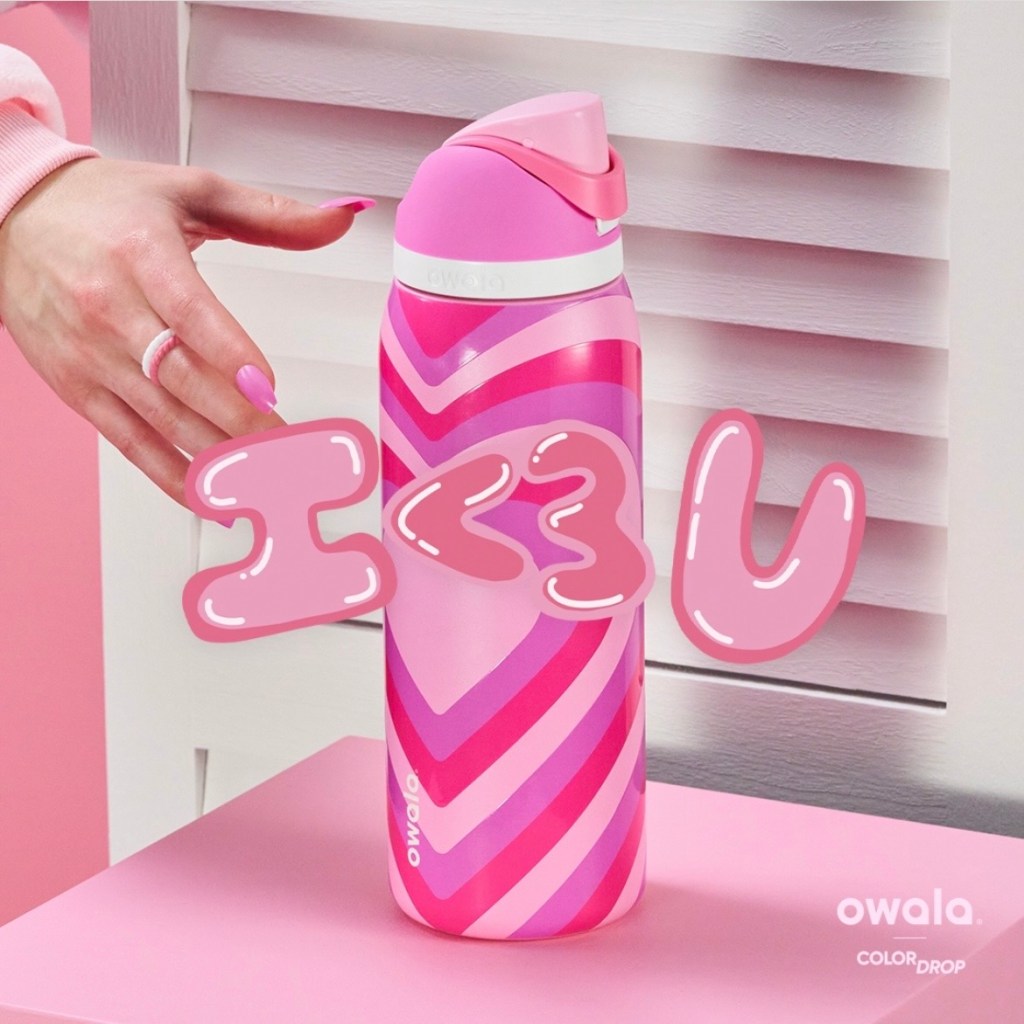
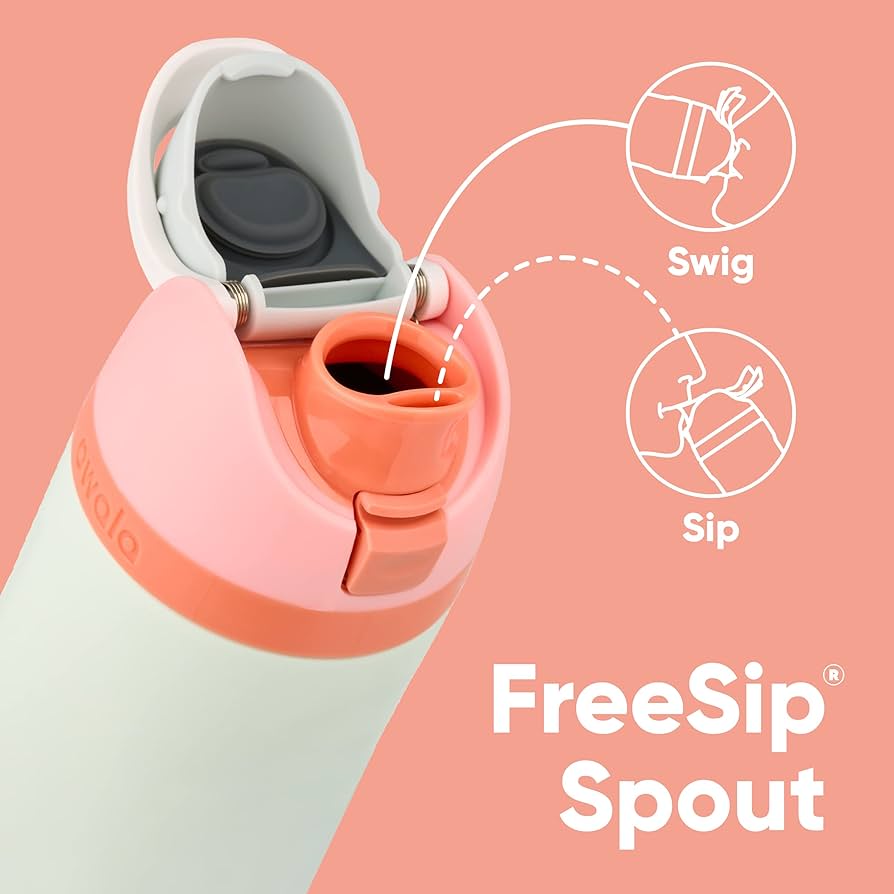
Recently, my Britta water bottle broke (quite tragic as she was with me for 2 years) and I asked my coworkers for new recommendations. To my surprise, an overwhelming amount of them mentioned the brand Owala. Owala is a reusable water bottle brand with creative designs and practical features for people with active lifestyles. The FreeSip spout, a hallmark of the product, makes drinking effortless.
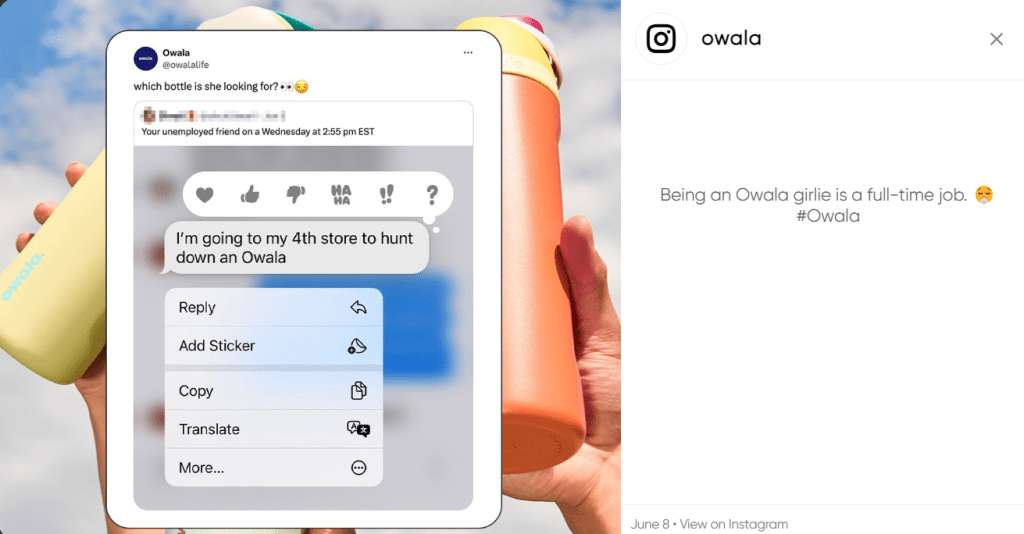
Unfamiliar with this brand, I delved into the intricate world of water bottle mania. I found that Owala went viral on TikTok and sifted through reviews on Reddit. As I kept digging, I noticed many “die-hard fans” who would rather lose a limb than lose their Owala water bottle.
Numerous websites compared Owala with other viral water bottle brands, such as Stanley and Hydro Flask. The more I researched water bottles, the more I convinced myself I needed an Owala. The more I convinced myself I needed an Owala, the more I realized I wanted a particular color. After spending 2 hours browsing many websites without locating the specific shade of pink bottle I wanted, I wondered why this online hype influenced me. Although trends can generate hype and desirability for products, I believe purchasing decisions should be driven by evaluating the design, durability, personal relevance, and quality, rather than solely relying on virality.
Why do water bottles go viral?
Playing Hard to Get: Scarcity and Exclusivity
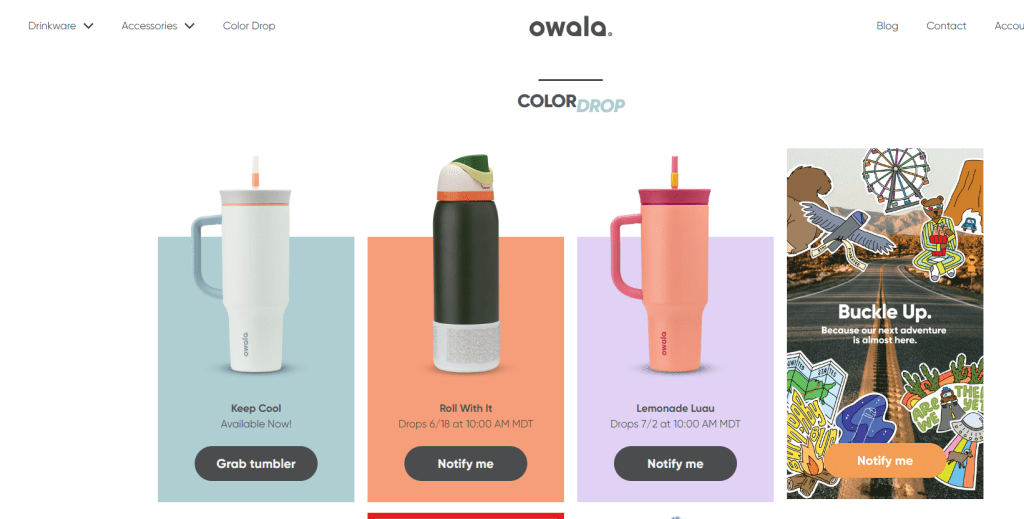
Limited-edition releases, waitlists, and scarcity tactics create a sense of exclusivity around certain water bottles. As associated with many “hype culture” products, consumers may value goods perceived as rare or hard to obtain, raising demand and social media engagement. “Hype culture” illustrates the theory of the scarcity principle, where a product or service is limited in availability (or perceived as being limited) and increases the value and attractiveness of an offering. This theory is an integral part of the Owala business model. For example, the brand created a color drop calendar, so customers know about special-edition models in advance. The limited supply of certain designs creates a sense of urgency and desire in consumers.
Water Cult: Social Media Influence
Social media platforms like Instagram, TikTok, and YouTube drive the virality and popularity of water bottles. Influencers and content creators with large followings share unboxing videos, product reviews, and lifestyle content featuring trendy water bottles, sparking interest and creating a sense of desirability among their audience.
According to The 2024 Influencer Marketing Report released by Sprout Social, a leader in cloud-based social media management software, “49% of all consumers make daily, weekly, or monthly purchases because of influencer posts, with 30% trusting influencers more today than they did just six months ago.” This statistic shows that when influencers promote a product, such as a water bottle, the item can gain exposure and become a must-have offering.
#Hydration: Lifestyle Branding
Brands like Stanley, Hydro Flask, and Yeti successfully positioned their water bottles as lifestyle accessories, representing values like sustainability, wellness, and self-expression. By crafting compelling brand stories and emotional connections with consumers, these water bottles transcend their functional purpose and become symbols of a desired lifestyle, driving virality through aspirational marketing. For instance, the hashtag #Hydration, often linked to content related to nutrition, fitness, and beauty, garnered 165 million views on TikTok.
“I’ll have a Grande, triple-shot, soy, unicorn sprinkle latte, with extra foam only on the bottom half of the cup:” Product Features and Customization
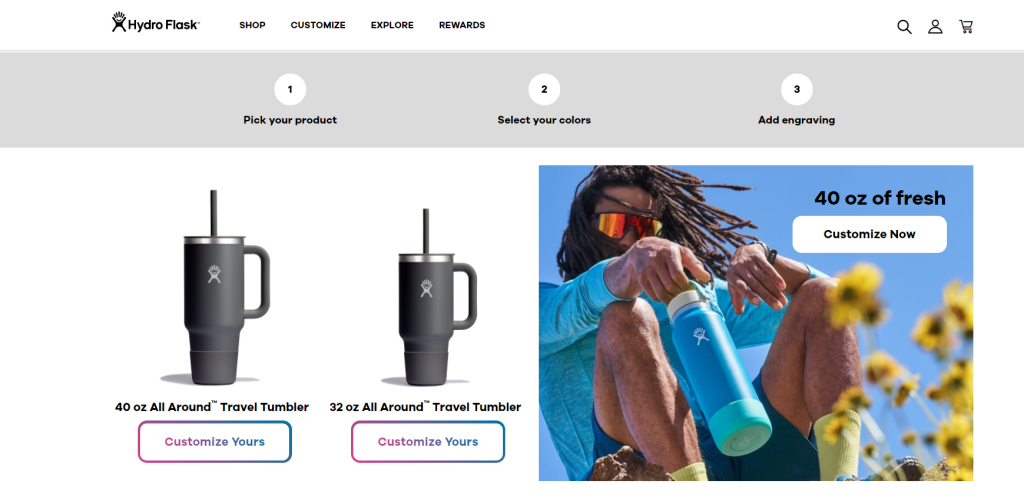
Water bottles offering unique features, such as superior insulation, leak-proof designs, or customizable colors and patterns, tend to generate more buzz and appeal. Beyond functionality, products that align with personal style and preferences increase social media sharing and word-of-mouth promotion. By customizing their water bottle, users can uniquely represent themselves.
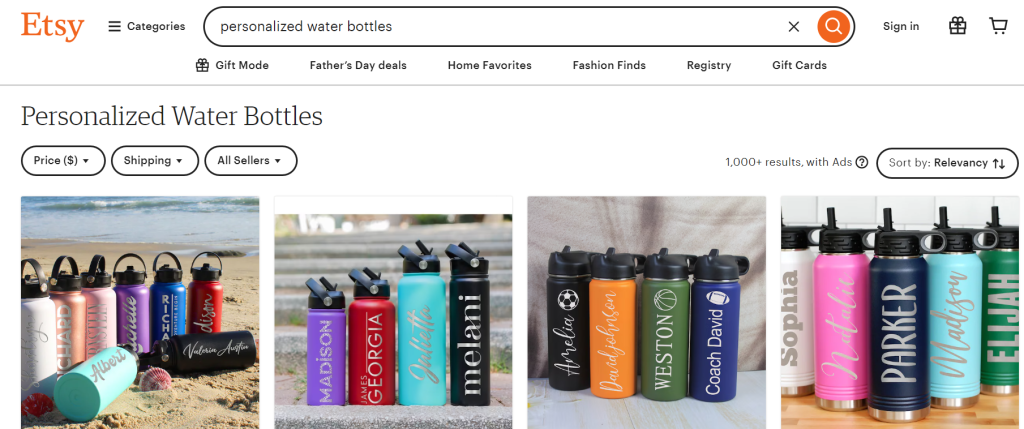
Etsy underscores the desire for customization by allowing buyers to customize anything from water bottles to posters to jewelry. According to Statista, the Etsy marketplace has over 7.5 million sellers and more than 96 million active buyers in 2024.
Water x Bottle: Collaborations and Partnerships
Brands that collaborate with popular influencers, celebrities, or events can leverage their existing fan bases and tap into new audiences, amplifying the viral potential of their water bottles. On May 7, 2024, Owala partnered with Clove and created the 24oz. Clove x Owala FreeSip Water Bottle, in celebration of National Nurses Week. Clove is an award-winning sneaker brand built for people on the front lines of healthcare. This partnership with a hospital brand highlights how Owala markets itself as healthy and fitness-related. Collaborations with brands lend credibility and value to the products, encouraging consumers to emulate the influencers they admire.
After a few days of searching for a pink Owala, I realized finding the right color would be difficult. Every website I visited, from Amazon to Target, sold out of the light pink Owalas. Adding to the pink Owala drought, consumers bought certain high-demand colors in bulk and sold the bottles at a higher price. I could not find the pink color I wanted unless I spent $50 to $100 on Etsy, Poshmark, or Mercari.
The End of my Quest
Finally, I managed to locate the “Blossom Bunny” Owala 24 oz at $27.99. After a few days, the bottle came back in stock and promptly sold out within hours. Although the virality influenced me to look into the brand, I felt my research on different water bottles ultimately led me to buy Owala. I appreciated the structural design of the cap with both a free-sip and straw option, which I failed to discover in another brand.
Do you think viral water bottles are worth the hype?
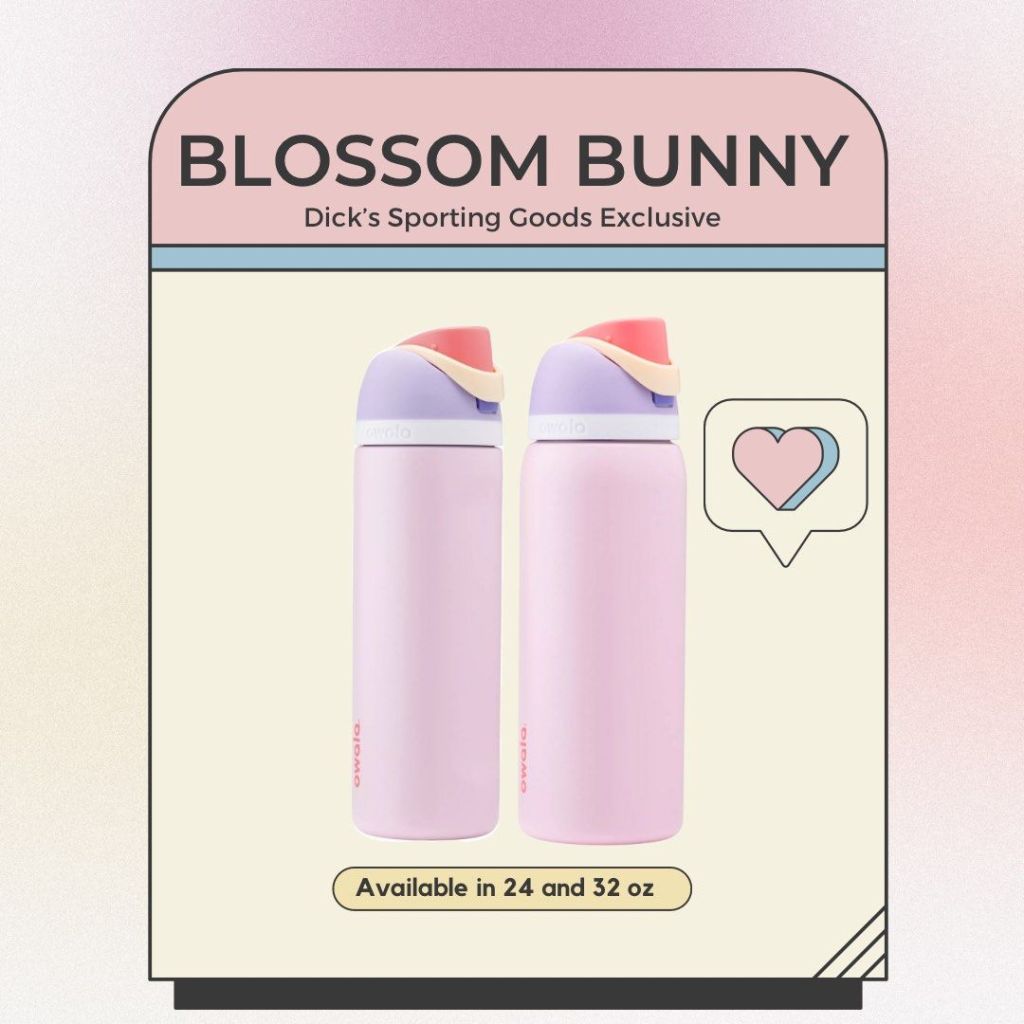
Cover Photo: @owala on Instagram

 Glammer Society
Leave a comment